Optimal Timing for Concrete Installations
Choosing the optimal time for concrete installations can influence the durability and quality of the finished surface. Weather conditions, temperature, and humidity are key factors that impact curing and setting processes. Proper planning ensures the concrete achieves its intended strength and longevity.
Concrete sets best in moderate temperatures with low humidity. Extreme heat accelerates curing, increasing the risk of cracking, while cold temperatures can delay setting and compromise strength.
Spring and fall often provide the most suitable weather for concrete work. During these seasons, temperature fluctuations are less severe, reducing the risk of curing issues.
Installation during periods of heavy rain, snow, or extreme heat should be avoided. Such conditions can interfere with curing, leading to surface defects and reduced durability.
The recommended temperature range for concrete placement is between 50°F and 85°F (10°C to 29°C). Maintaining this range helps ensure proper curing and strength development.
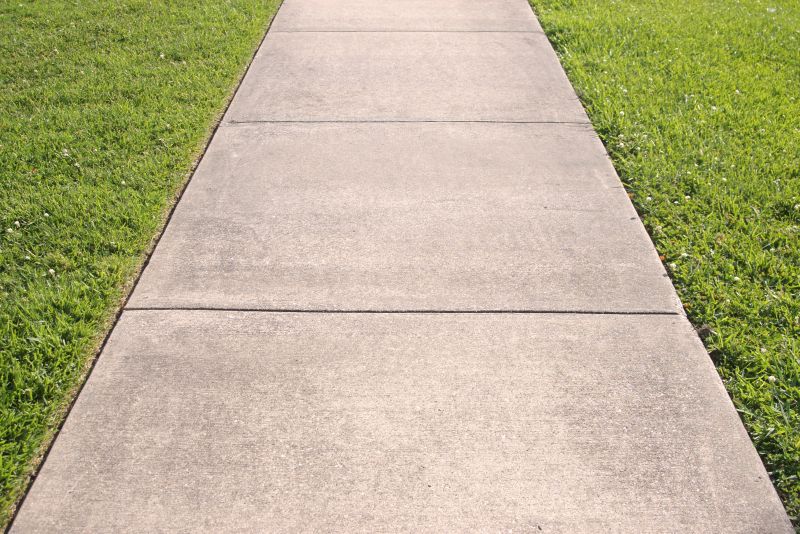
Ways to make Concrete Installations work in tight or awkward layouts.
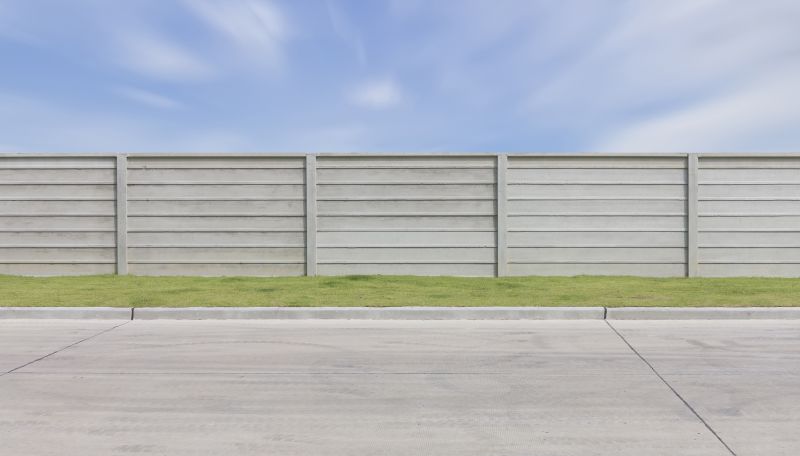
Popular materials for Concrete Installations and why they hold up over time.
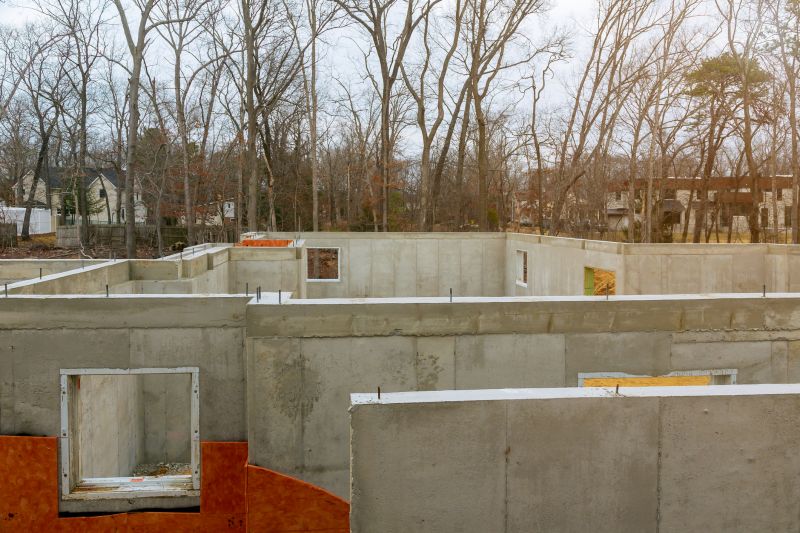
Simple add-ons that improve Concrete Installations without blowing the budget.
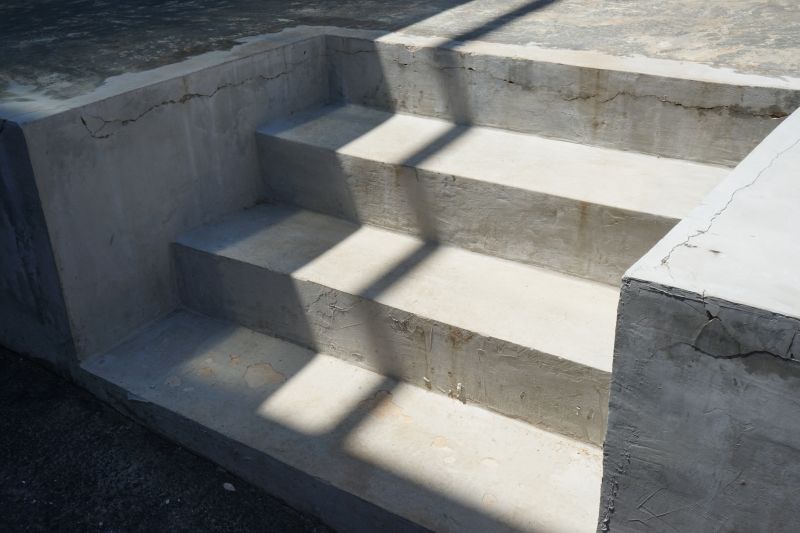
High-end options that actually feel worth it for Concrete Installations.
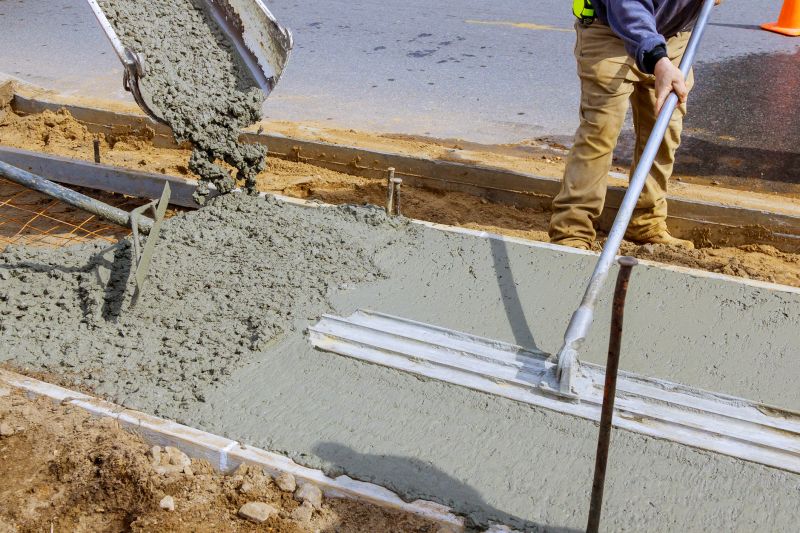
Finishes and colors that play nicely with Concrete Installations.

Little measurements that prevent headaches on Concrete Installations day.
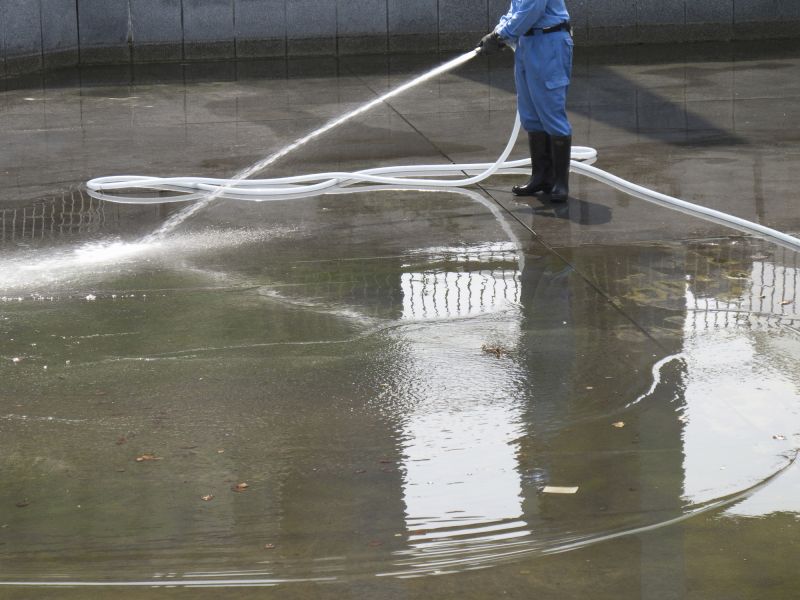
A 60-second routine that keeps Concrete Installations looking new.
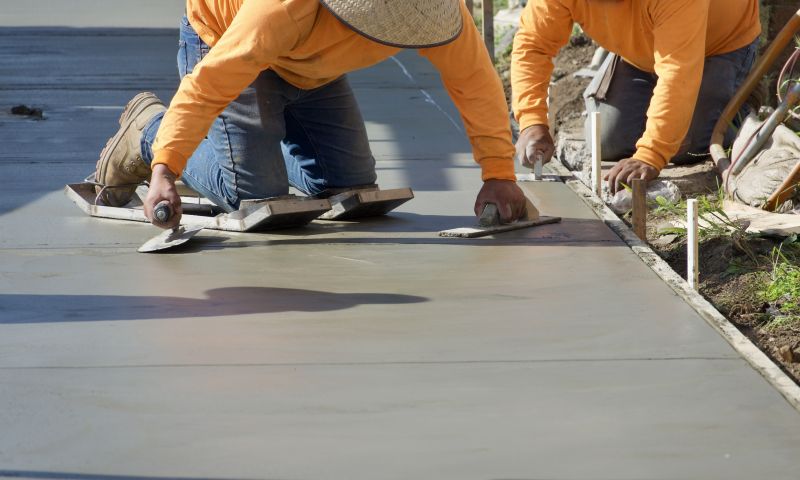
A frequent mistake in Concrete Installations and how to dodge it.

Small tweaks to make Concrete Installations safer and easier to use.
| Season | Recommended Conditions |
|---|---|
| Spring | Moderate temperatures, low humidity, minimal rain |
| Summer | Early morning or late evening work recommended, avoid peak heat |
| Fall | Cool, stable weather ideal for curing |
| Winter | Avoid freezing temperatures; use heating methods if necessary |
| Rainy periods | Delay or cover to prevent water interference |
| Hot days | Use cooling techniques and schedule during cooler hours |
| Cold snaps | Postpone or implement heating measures |
| Stable weather | Optimal for consistent curing and quality |
Concrete installations require careful timing to ensure structural integrity and surface quality. Proper scheduling based on weather forecasts and seasonal patterns can prevent common issues such as cracking, surface scaling, and delayed curing. Utilizing weather monitoring tools and flexible planning can optimize project outcomes.
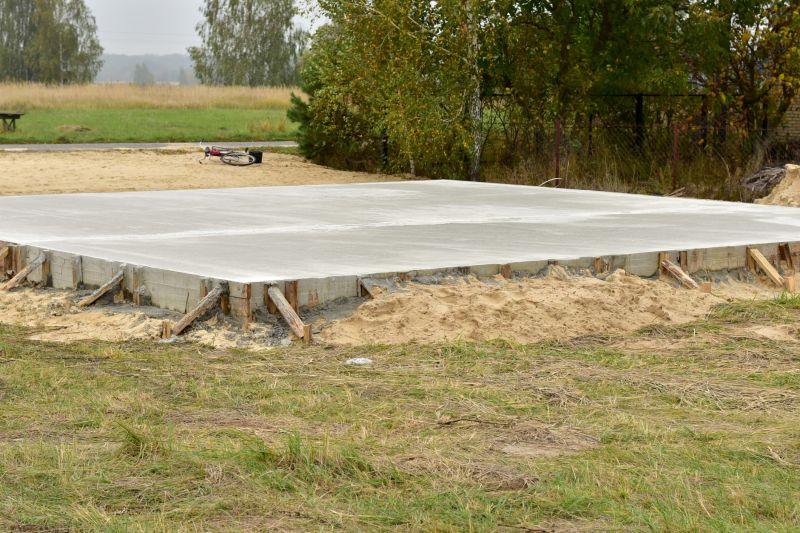
Lower-waste or water-saving choices for Concrete Installations.
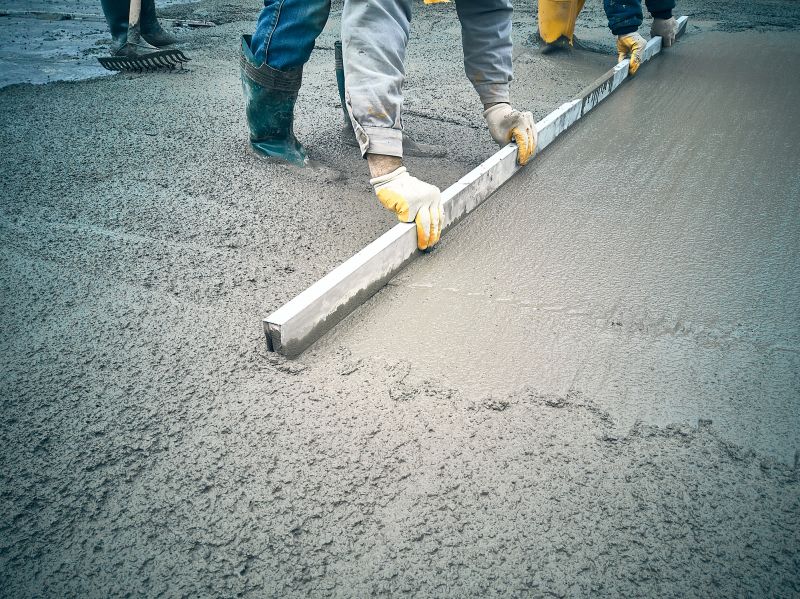
The short, realistic tool list for quality Concrete Installations.
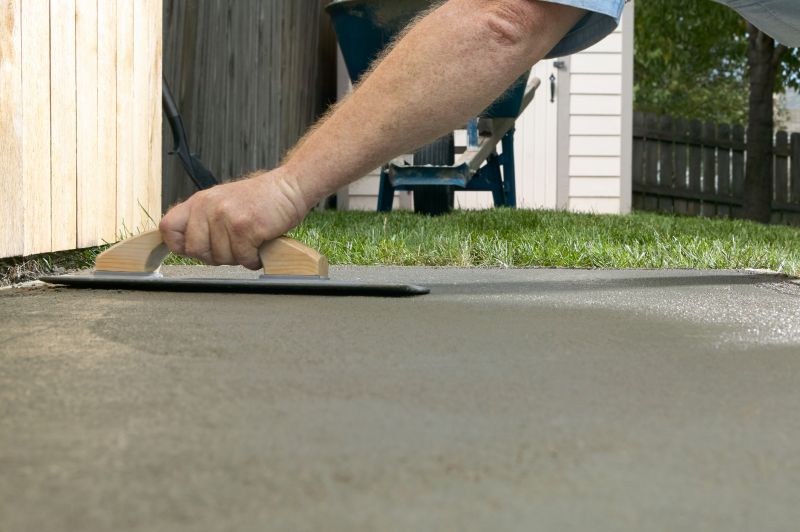
Rough timing from prep to clean-up for Concrete Installations.
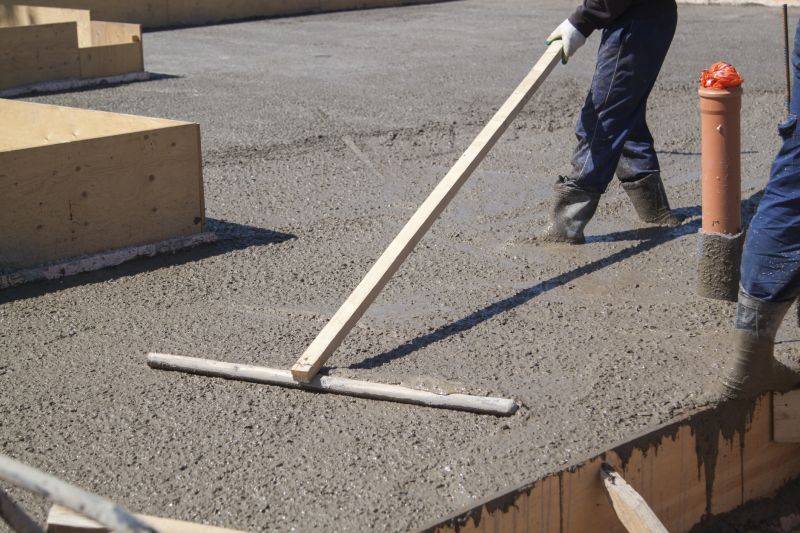
Quick checks and paperwork to keep after Concrete Installations.
Interested in scheduling concrete installations at the optimal time? Filling out the contact form can provide tailored guidance based on local weather patterns and project specifics. Proper timing enhances durability and ensures the best possible results for concrete surfaces.